Understanding Rescue Dog Body Language: What Your Dog Is Telling You
Shelley Osgood
Founder & Director, Doggy Dog World Rescue
October 15, 2025 · 7 min read
Why Body Language Matters More with Rescue Dogs
All dogs communicate through body language, but rescue dogs especially so — because they often can't yet predict what their new environment will bring. Learning to read your dog's signals builds the foundation of trust, prevents misunderstandings, and is genuinely one of the most valuable skills you can develop as a new dog owner.
Calming Signals: The Subtle Language of Stress
Norwegian trainer Turid Rugaas popularized the term "calming signals" — subtle behaviors dogs use to de-escalate tension or signal discomfort. These include:
- Yawning outside of tiredness — often appears when a dog is anxious or overstimulated
- Lip licking when not near food
- Looking away or turning the head — a social signal that means "I'm not a threat and I'm a bit uncomfortable"
- Sniffing the ground suddenly when approached — a self-soothing and de-escalating behavior
- Slow movement or freezing — the dog is buying time to process a situation
If you see these during an interaction, give the dog more space. They're communicating discomfort.
Relaxed and Happy: What It Looks Like
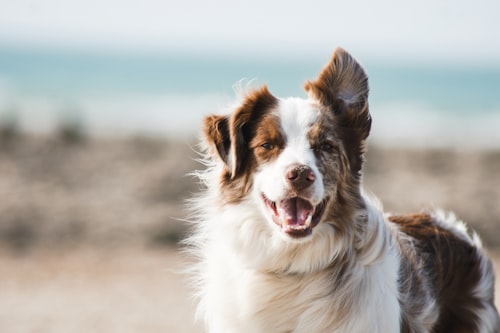
- Soft, loose body — no tension in the muscles
- Mouth relaxed and slightly open
- Tail wagging in a wide, loose circle (a stiff, high wag can indicate arousal or tension)
- Eyes soft — not wide, not hard
- Moving toward people voluntarily
- "Zoomies" — those sudden bursts of running in circles are pure joy
Signs of Stress or Anxiety
- Tucked tail — classic fear signal
- Ears flat against the head
- Whale eye — you can see the whites of the eyes
- Panting when not hot
- Pacing
- Shedding suddenly in large amounts — stress shedding is real
- Low body posture, crouching, or making themselves small
Warning Signs Before a Bite
Bites rarely come without warning — but the warnings are often missed. The escalation ladder typically goes: stiffness → stare → growl → snap → bite. Each step is a communication attempt. If a dog is allowed to skip rungs (for example, if growling was punished out of them), bites can seem to come from nowhere.
Respect the growl. Never punish a dog for growling — it's a valuable warning. Instead, remove the source of stress and address the underlying discomfort with professional guidance.
Reading Your Specific Dog
Body language is a starting point, not a rulebook. Every dog has individual expression. A dog with a naturally curly tail may look "happy" even when neutral. A dog with upright ears by breed may look "alert" at rest. Get to know your individual dog's baseline — and notice changes from that baseline, not from a generic chart.
Where to Learn More
We recommend the free resources from the ASPCA and Karen Pryor Clicker Training for new adopters. And remember — every adoption through Doggy Dog World Rescue comes with a free training session with our certified partner. Schedule it early; the first few weeks set the tone. Questions? Visit our FAQ or call us at 720-280-6979.
Shelley Osgood
Founder & Director, Doggy Dog World Rescue
Shelley Osgood founded Doggy Dog World Rescue in Littleton, Colorado in 2008. Since then, she and her volunteer network have rescued hundreds of dogs and placed them in loving forever homes across the Denver metro area. DDWR is a 501(c)(3) foster-based nonprofit.
Related Articles

Ready to Find Your Perfect Dog?
Browse our adoptable rescue dogs or take our free match quiz.